Recent Newsletter
Don't miss out! Subscribe to receive Happy Gardening Tips, new arrivals notifications, and discount codes!
7-12-2026. Fertilizer vs Biostimulant: What Each One Actually Does.
✨ Fresh From Top Tropicals:
✔ Fertilizer vs Biostimulant: What Each One Actually Does
💕 Fertilizer Supplies Nutrients. A Biostimulant Helps the Plant Function.

Smokey: Correct. Minerals for leaves, roots, flowers, and fruit.
Sunshine: And a biostimulant is like a You can grow it! motivational poster?
Smokey: No. It is the plant's physical therapist after life punches it around.
Sunshine: So it is encouraging.
Smokey: It is useful. There is a difference.

Fertilizer or Biostimulant? Why Your Plants Might Need Both 🧪⚗️
By Michael Dubinovsky, Plant Care Expert, Top Tropicals
If you walked away from that comic still picturing Sunshine arguing with Smokey about which bottle does what, you are not alone. It is one of the most common questions we hear from gardeners: what is the actual difference between a fertilizer and a biostimulant, and do you really need both?
The short answer is yes. Here's why.
Fertilizer Supplies Nutrients. A Biostimulant Helps the Plant Function.
Fertilizer supplies essential mineral nutrients: nitrogen, phosphorus, potassium, and other elements that a plant needs to build new leaves, roots, flowers, and fruit. Without enough of the right nutrients, a plant simply cannot grow, flower, or produce healthy new tissue.
A biostimulant works differently. It does not feed the plant in the traditional sense. Instead, it supports the plant's natural processes so it can use nutrients more efficiently, develop stronger roots, and better cope with environmental stress. That might mean promoting root development, helping the plant recover from stress, or improving how efficiently it uses the nutrients supplied by fertilizer.
Fertilizer provides mineral nutrients. A biostimulant makes sure the plant is in shape to use them well. These are not two versions of the same product. They are two different tools, and in many cases they work best side by side.
| Question | Fertilizer | Biostimulant |
|---|---|---|
| What does it do? | Supplies essential mineral nutrients. | Supports the plant's natural processes. |
| Simple idea | Provides essential elements. | Helps the plant use them better. |
| Best use | Regular feeding during active growth. | Stress support, root support, and recovery. |
| Examples | Nitrogen, phosphorus, potassium, and micronutrients. | Amino acids, seaweed extracts, humic substances, beneficial microbes, and plant compounds. |
💡 More: Sunshine Boosters® Learning Hub
Why Healthy Roots Matter So Much
It is easy to focus on leaves and flowers, since that is what we actually see. But almost everything starts underground.
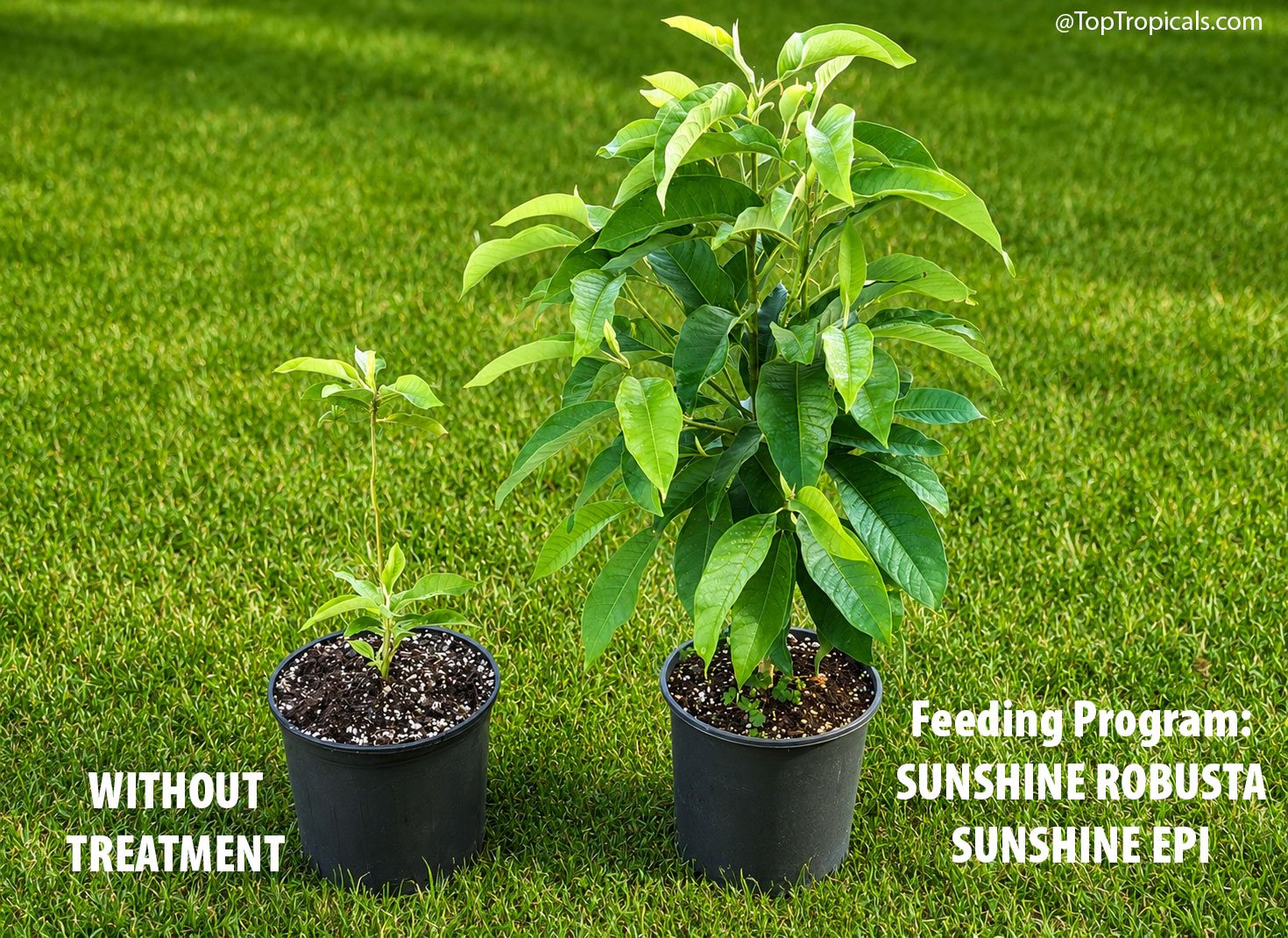
Roots are how a plant takes in water and nutrients. If roots are weak, damaged, or stressed, it does not matter how much fertilizer you apply. The plant simply cannot absorb nutrients efficiently. Because healthy roots influence nearly every aspect of plant growth, many biostimulants are designed to support root development and root function, helping plants make better use of the nutrients available.

Plants Get Stressed Too
Plants experience environmental stress too, and its effects are very real. Common sources of stress include transplanting into a new pot or garden bed, the shock of shipping after a long trip, pruning, drought, intense heat, and cold damage. Even moving a plant from a stable greenhouse to your patio, or repotting it into a larger container, can cause a setback. Any of these events can temporarily slow growth as the plant shifts resources from producing new tissue to coping with stress.
Why Adding More Fertilizer Is Not the Fix
A common gardening mistake is assuming that a stalled plant simply needs more fertilizer. But if the plant is stressed, simply increasing fertilizer does not solve the underlying problem. The roots may not be in a position to absorb those extra nutrients efficiently. In some cases, adding more fertilizer to an already stressed plant can do more harm than good, since the plant is not equipped to process it.
What the plant often needs first is support, not simply more nutrients. Feeding a stressed plant is a little like asking someone with the flu to run a marathon before they've recovered. Sunshine would probably recommend coffee and donuts. Smokey recommends helping the plant recover first.
That is where biostimulants come in. Interest in biostimulants has grown rapidly over the past decade as researchers have gained a better understanding of how plants respond to environmental stress and how certain natural compounds can support those responses. As a result, gardeners now have access to a much wider range of biostimulant products than they did only a few years ago.
Why Amino Acids Matter
You may see amino acids listed as an ingredient in biostimulant products, and it is worth understanding what they actually do.
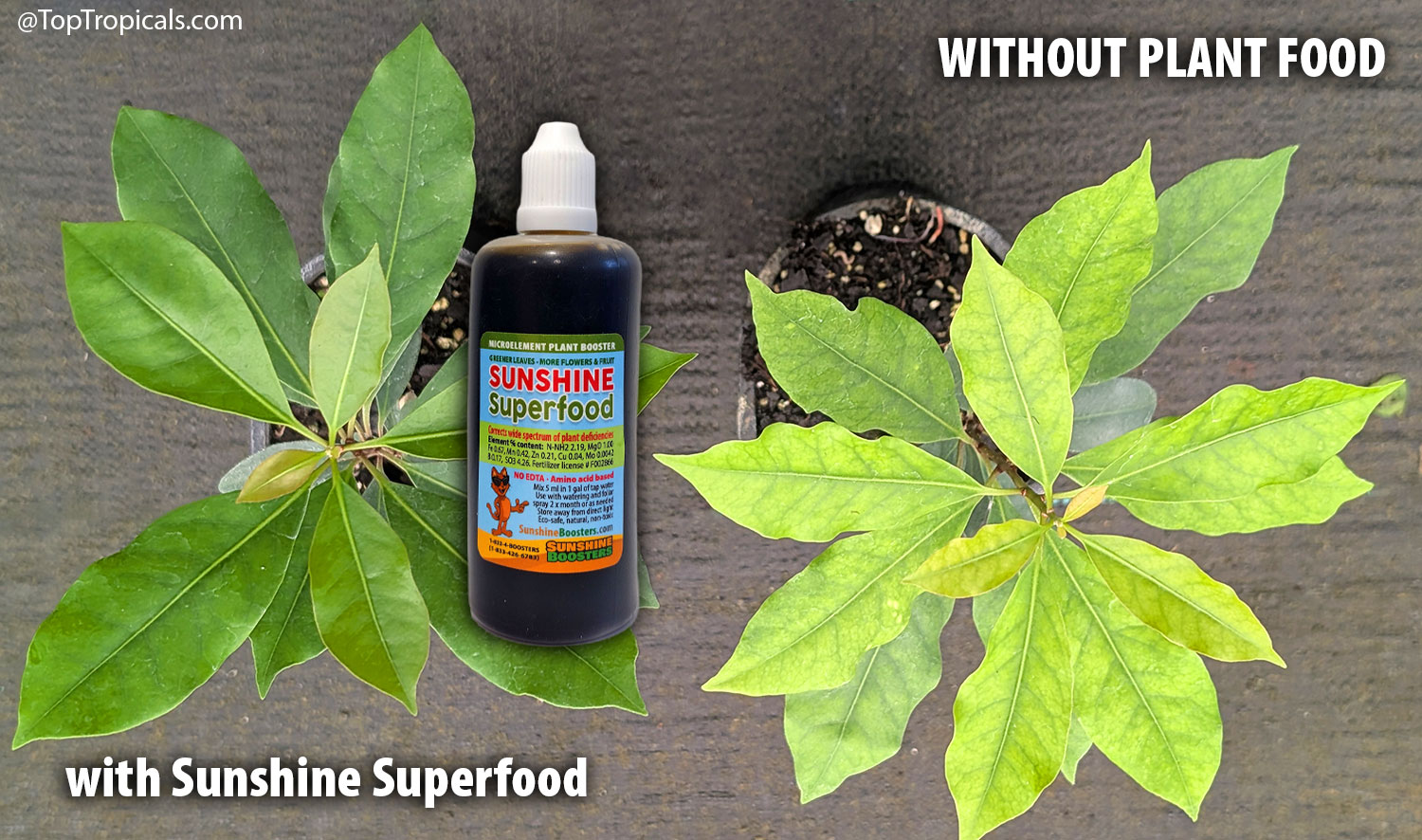
Amino acids are natural building blocks that plants use to make proteins and carry out many normal biological processes. Plants produce them on their own, but supplying amino acids directly may reduce the energy needed to create them during stressful periods, allowing more energy to be directed toward recovery and new growth.
Amino acids are only one type of biostimulant. Others include seaweed extracts, humic substances, beneficial microorganisms, and naturally occurring plant compounds. Although they work in different ways, they all share a common goal: helping plants function more efficiently under normal and stressful conditions.
When a Biostimulant Makes the Most Sense
Biostimulants tend to shine in specific situations. After transplanting, when roots are adjusting to new soil. After pruning, when the plant is redirecting its energy. After shipping, when a plant has just been through a long, disruptive journey. During periods of heat stress, when the plant is working hard just to stay stable. And after frost or drought, when recovery is the main priority.
Many gardeners also apply biostimulants before predictable stresses, such as a heat wave, transplanting, or shipping, to help plants prepare rather than simply recover afterward.
Unlike fertilizers, which directly supply nutrients, or pesticides, which target a specific pest or disease, biostimulants work by supporting the plant's own biological processes. Their effects are usually gradual rather than immediate, helping plants become healthier and more resilient over time rather than producing overnight results.
In all of these cases, the goal is not to push rapid new growth right away. The goal is to help the plant stabilize and recover its normal functioning, so that growth can resume naturally.
| Situation | What the Plant Usually Needs |
|---|---|
| Normal active growth | Regular fertilizer, with biostimulants as extra support. |
| After shipping or transplanting | Gentle support first. Let the plant recover before pushing growth. |
| Heat, drought, or cold stress | Correct the growing conditions, then use a biostimulant to support recovery. |
| Weak roots or stalled growth | Avoid over-fertilizing. Focus on root health, proper watering, and stress recovery. |
Why So Many Gardeners Use Both Together
Once you see fertilizer and biostimulants as two different tools rather than competing products, using them together makes a lot of sense.
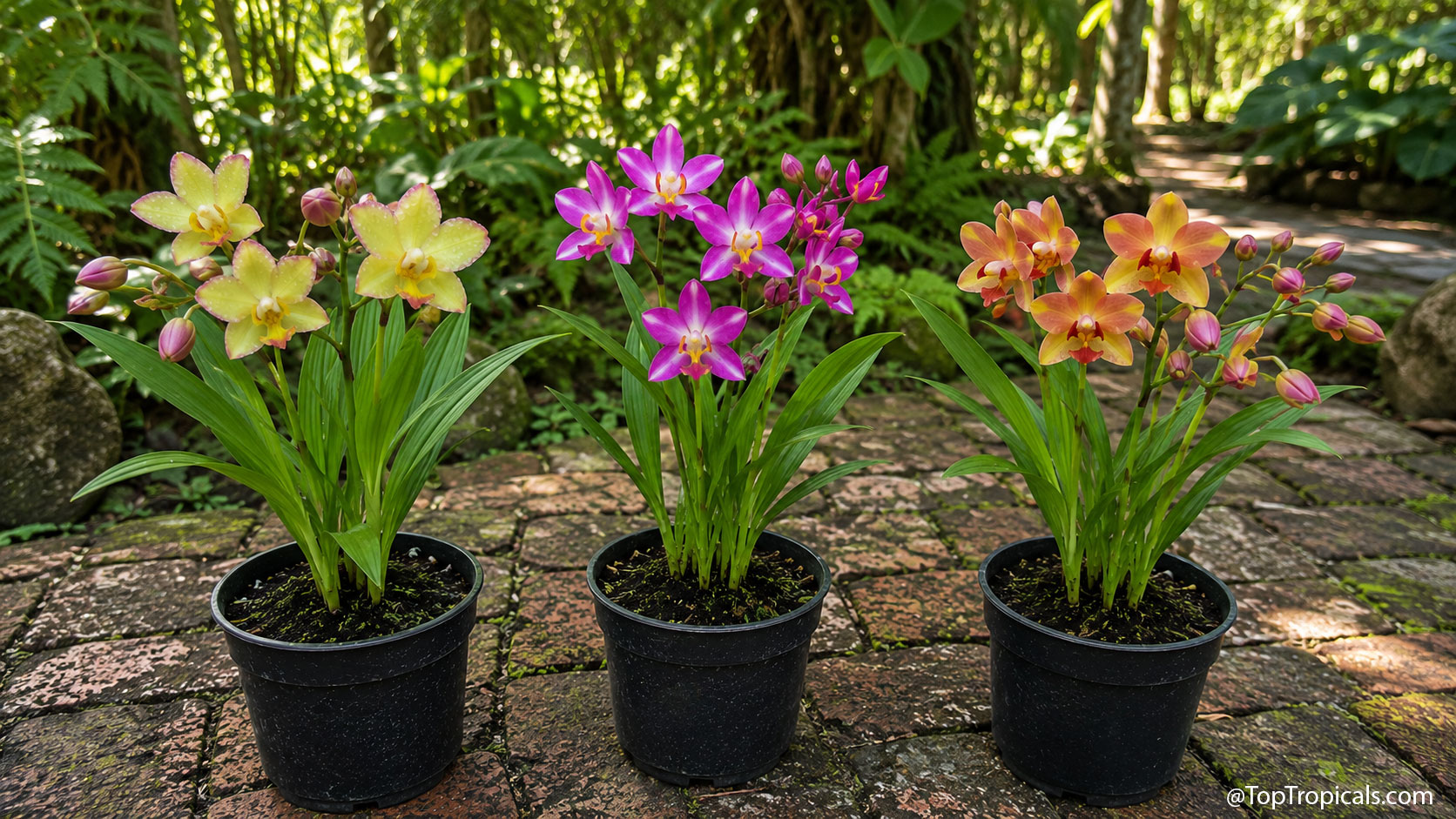
Fertilizer supplies the nutrients. The biostimulant helps the plant be ready to use those nutrients well, especially during or after a stressful period. Together they provide both nutrition and stress support.
Clearing Up a Few Common Myths
Here are a few common misconceptions.
Biostimulants do not replace fertilizer. They are not a substitute for nutrition.
And healthy plants benefit from biostimulants too, not just struggling ones. A plant going through a normal stressful event, like a routine repotting or a hot summer week, can use the support just as much as one that is already showing signs of trouble.
Where Sunshine Boosters Fit In
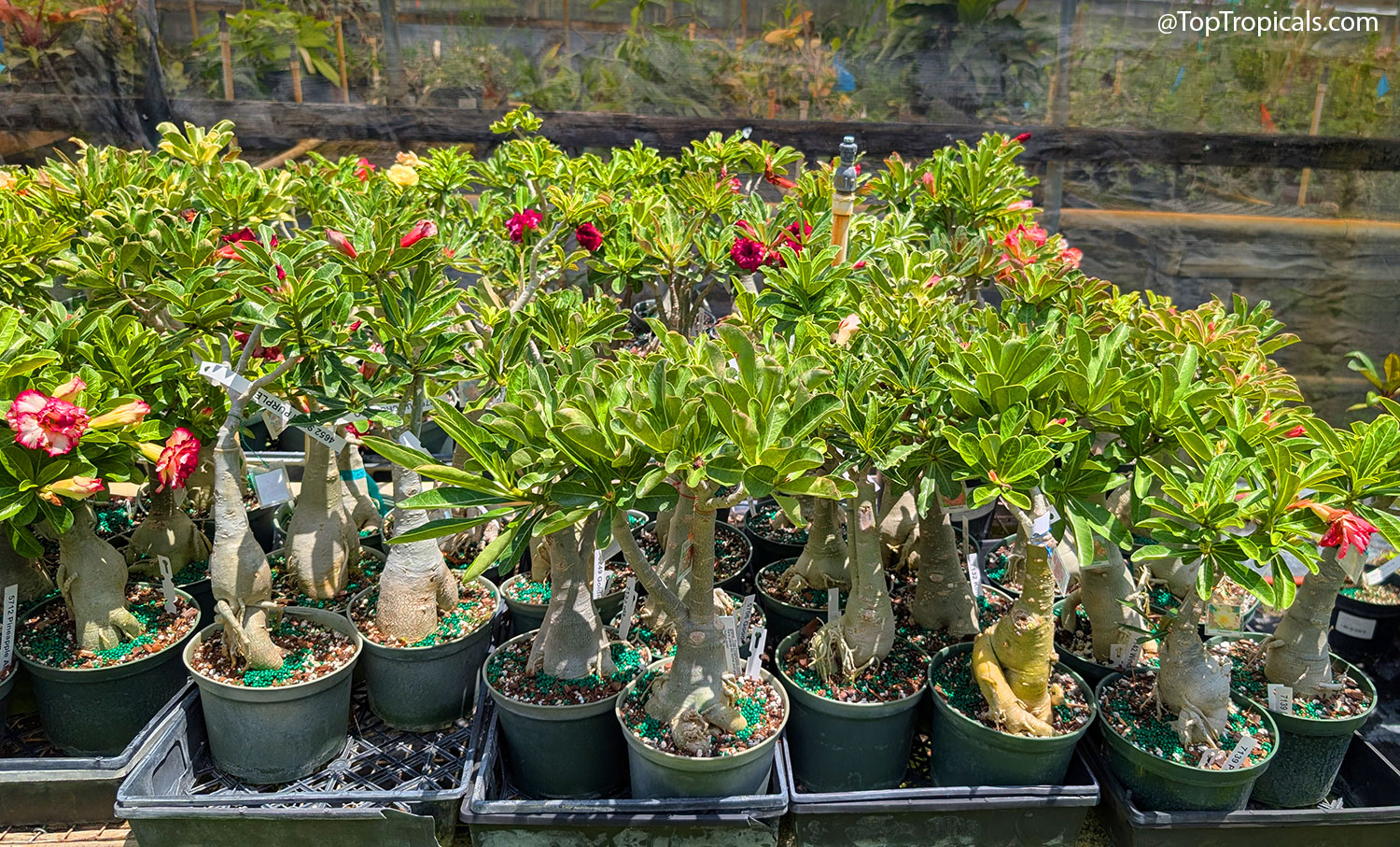
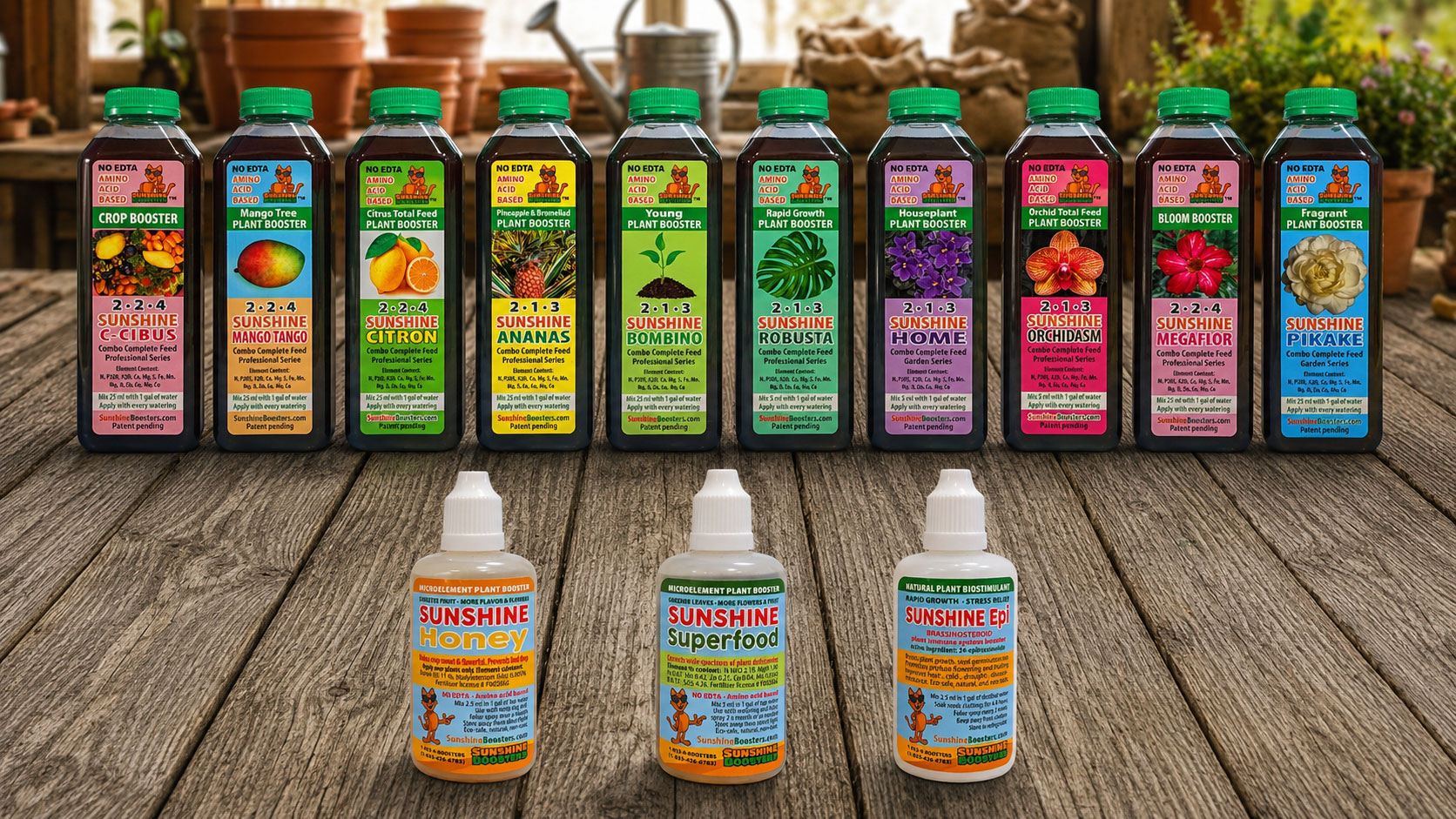
Some modern products combine mineral nutrients with biostimulant ingredients in a single formulation. Sunshine Boosters are one example of this approach. Rather than choosing between providing nutrients and supporting recovery from stress, they combine both functions in a single product.
That means you are not stuck picking one function over the other. You get essential nutrients along with added support for root growth, stress tolerance, and recovery, in one practical step.
A Closer Look at Sunshine EPI
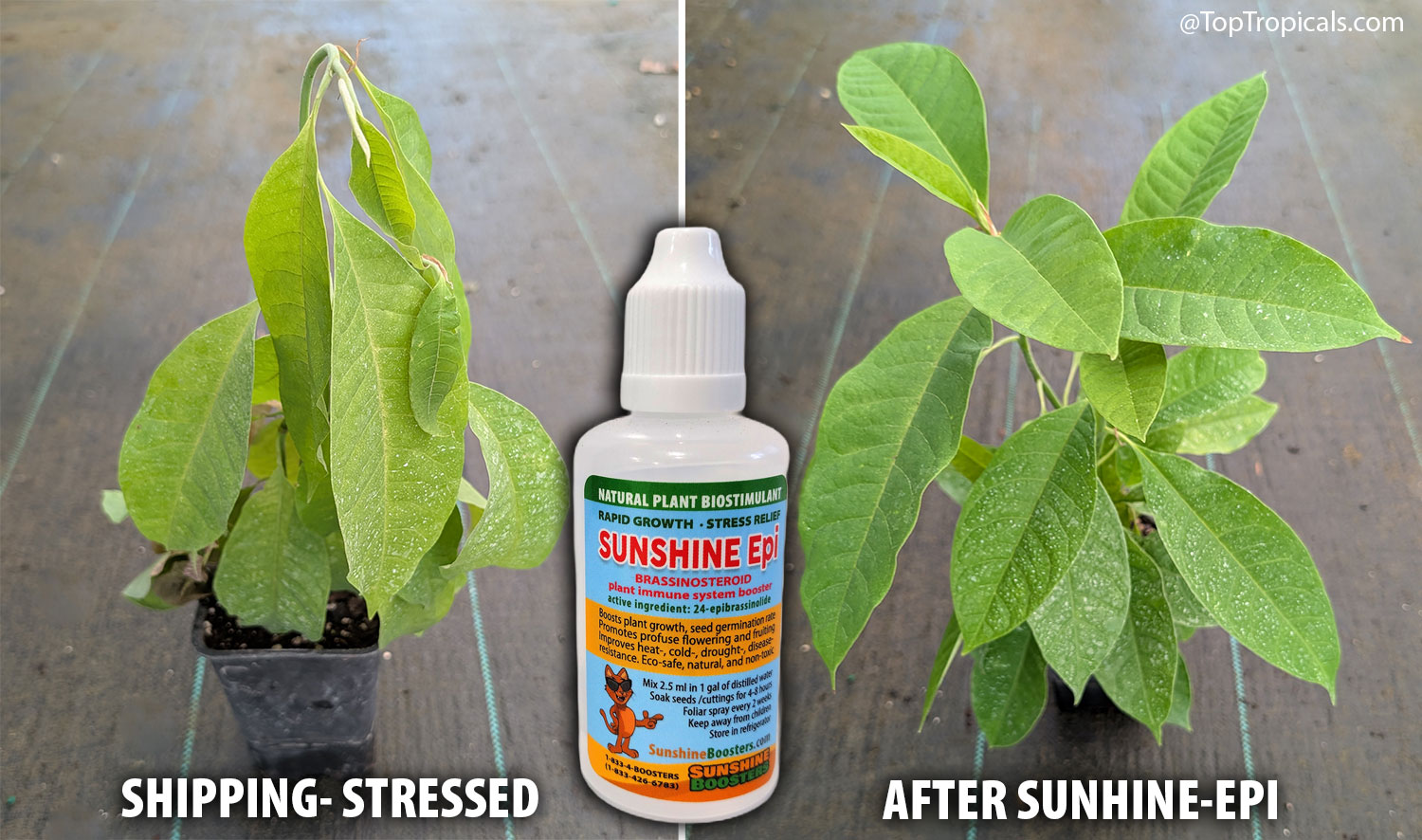
Sunshine EPI is designed for a more specialized purpose. It contains epibrassinolide, a synthetic form of a naturally occurring plant hormone known as a brassinosteroid. In practical terms, this ingredient helps plants tolerate environmental stress and recover more quickly afterward.
While Sunshine Boosters are built for everyday nutrition and stress support, Sunshine EPI is meant for moments of unusually severe stress, such as transplant shock, frost damage, or prolonged heat.
The Most Important Thing to Remember: Biostimulants Are Not Magic
Biostimulants cannot replace sunlight. They cannot replace water. They cannot make up for poor soil, and they cannot fix growing conditions that are simply wrong for the plant.
If a plant is sitting in deep shade when it needs full sun, no biostimulant will change that. If the soil drains poorly and the roots are sitting in water, no product will undo that damage on its own. Good growing conditions always come first. Biostimulants and fertilizers are there to support a plant that is already being given a reasonable chance to succeed, not to rescue one from fundamentally wrong conditions.
| Problem | Fix the Cause First |
|---|---|
| Too little light | Move the plant to brighter conditions before expecting strong growth. |
| Wet, poorly drained soil | Improve drainage and watering before adding more products. |
| Root damage | Let the plant recover. Do not push it with heavy fertilizer. |
| Wrong temperature | Protect from cold, heat, or sudden changes first. |
Closing Thoughts
If you remember nothing else from this article, remember Smokey's rule: feed the plant, help the plant, and do not confuse the two.
Fertilizer supplies the mineral nutrients plants require for growth. Biostimulants support the plant's natural processes, helping it recover from stress and use those nutrients more effectively. Together, combined with good growing practices, they give plants the best opportunity to thrive.
Smokey: Correct.
Sunshine: And if the plant still looks sad?
Smokey: Check the light, water, roots, and temperature before you check the garden supply shelf.